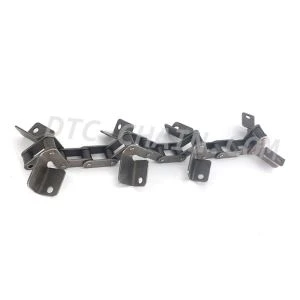
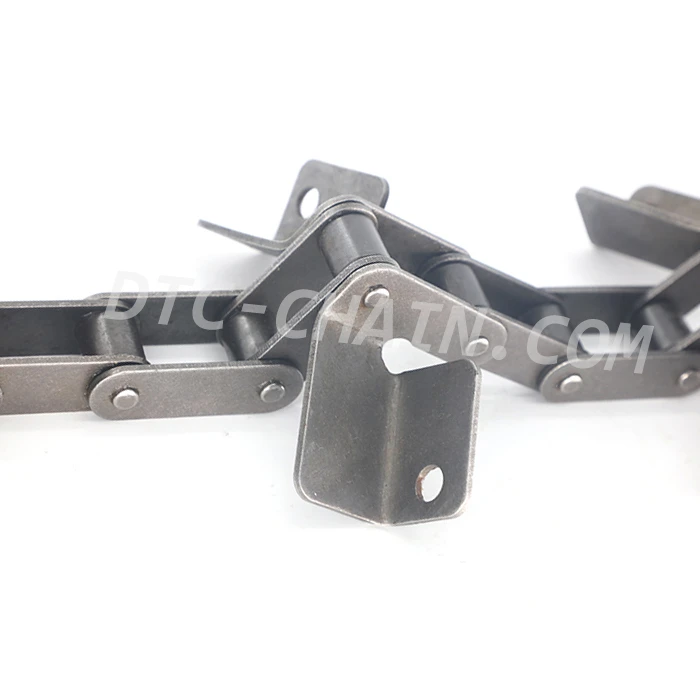
Agricultural Chains for Farm Machinery & Material Handling


Agricultural chains transmit power or move materials in farm machinery, harvesting equipment, and agricultural conveyors. Designed for dusty, wet, and impact-prone operating conditions, they are available in standard and custom configurations for OEM and replacement applications.
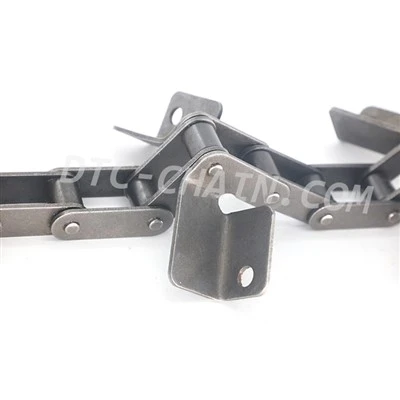


Short Pitch Roller Chains


Product Range

Agricultural Machinery Chains
Farm Agricultural Roller Chain For Combine Harvester
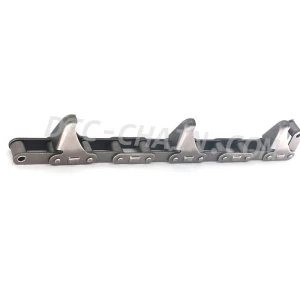
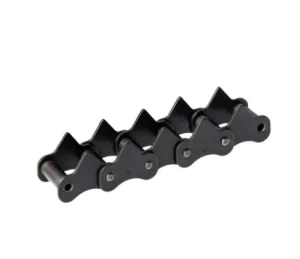
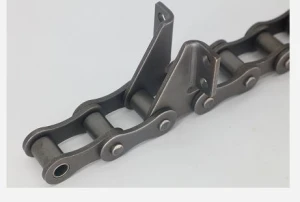
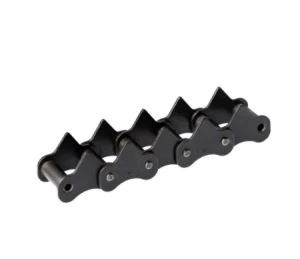
Agricultural Chains With Attachments
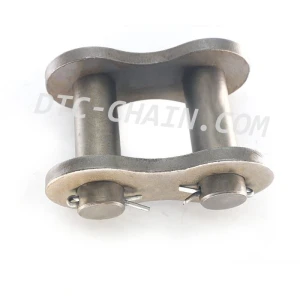
Chain Connecting Link with K1 Attachments
Combine Harvester Chain
Combine Harvester Roller Chain
Rice Harvester Chains
Zgs38 Combine Chains
S Type Steel Agricultural Chains
Ca Type Steel Agricultural Chains
Related Chain Products
Food Steel Conveyor Chain


Technical Specifications


Parameter

Selection Consideration

Chain Type

Agricultural machinery, roller, attachment, S-type, CA-type, or application-specific

Pitch

Must match the chain and sprocket system

Roller Diameter

Confirm according to sprocket and equipment configuration

Inner Width

Determines fit with the sprocket and mating components

Plate Dimensions

Selected according to required load and chain configuration

Attachment

Extended pins, special plates, or customized attachments

Material

Carbon steel, alloy steel, stainless steel, or application-specific material

Heat Treatment

Applied according to component and required mechanical performance

Surface Treatment

Selected according to corrosion and operating-environment requirements

Chain Length

Supplied according to equipment dimensions or customer requirements


Selection Steps
 

Identify the Equipment
Confirm whether the chain is used on a combine harvester, rice harvester, agricultural conveyor, feeder, or other farm machinery.


Confirm the Chain Type
Identify the required chain series, such as agricultural machinery chain, roller chain, attachment chain, S-type chain, or CA-type chain.


Check Chain Dimensions
Confirm pitch, roller diameter, inner width, plate dimensions, attachment dimensions, and required chain length.


Check Load and Operating Speed
Consider working load, intermittent impact, chain speed, duty cycle, and start-stop conditions.


Evaluate the Operating Environment
Check exposure to dust, mud, crop residue, moisture, chemicals, temperature changes, and outdoor storage.


Match the Sprocket
The chain and sprocket must have compatible pitch and tooth geometry. Sprocket wear and alignment should also be checked when replacing an existing chain.


Confirm Replacement or OEM Requirements
For non-standard applications, provide a drawing, chain sample, existing chain number, machine model, or dimensional measurements for technical evaluation.


Material Selection


Material

Main Characteristics

Typical Use

Carbon Steel

Good strength and cost efficiency

General agricultural machinery

Alloy Steel

Higher strength and wear resistance

Heavy-load or impact-prone applications

Stainless Steel

Improved corrosion resistance

Moisture-prone or corrosive environments


Manufacturing Process
 
01/

Raw Material Inspection
Carbon steel, alloy steel, stainless steel, and other specified materials are selected according to the chain design and application requirements.

02/

Component Forming & Machining
Chain plates, pins, bushings, rollers, and other components are formed and machined according to the required dimensions.

03/

Heat Treatment
Heat treatment is applied to selected chain components to obtain the required hardness, strength, wear resistance, and fatigue performance.

04/

Surface Treatment
Surface finishing and corrosion-protection treatments can be selected according to the application and customer requirements.

05/

Precision Assembly
Individual components are assembled into the specified chain configuration. Assembly control helps maintain correct chain geometry and movement.

06/

Dimensional & Quality Inspection
Finished chains are inspected according to applicable dimensional and quality requirements before packaging and shipment.


Manufacturing & Quality Control
 

Since 1990, we have delivered reliable transmission and agricultural chains through full-process, in-house manufacturing:

High-Volume Capacity:

50,000–100,000 m² production base operating 10+ automated lines, yielding over 8 million pieces annually.

Advanced Equipment:

Integrated facilities including punching, tube rolling, mesh-belt heat treatment, and automated assembly lines.

Rigorous Quality Assurance:

ISO 9001 and ISO 14001 certified. Every batch undergoes strict quality gates—from raw material verification, dimensional checking, and hardness testing to final load inspection.


OEM & Custom Engineering


Standard chains do not fit every machine. We deliver custom and non-standard agricultural chains engineered to your technical drawings, samples, or application specifications: 

Customization Scope:

Tailored pitch, non-standard chain dimensions, specialized attachment plates, extended pins, custom roller/bush configurations, and specified surface or heat treatments.

End-to-End Service:

Comprehensive support covering technical design, contract manufacturing, private labeling, and custom packaging.

Agricultural Machinery Chains
Food Steel Conveyor Chain


Agricultural Chain Maintenance

Inspect chain elongation, pin/bush wear, and roller condition regularly.
Maintain suitable lubrication for the operating environment.
Remove accumulated soil, dust, crop residue, and other contaminants.
Check sprocket alignment and tooth wear during chain inspection.
Maintain correct chain tension according to the equipment manufacturer's requirements.
Replace severely worn chains or components before secondary equipment damage occurs.


Frequently Asked Questions


Q: What types of agricultural chains do you manufacture?

A: We manufacture agricultural machinery chains, combine harvester chains, agricultural roller chains, attachment chains, rice harvester chains, S-type chains, CA-type chains, and other application-specific agricultural chains.

Q: Which chains are commonly used in combine harvesters?

A: Combine harvesters use different chain configurations depending on the transmission or conveying system. Agricultural machinery chains, roller chains, and application-specific harvester chains can be selected according to the equipment design and sprocket configuration.

Q: Can you manufacture agricultural chains with attachments?

A: Yes. We can manufacture chains with extended pins, special plates, and other attachment configurations according to customer drawings, samples, or equipment requirements.

Q: How do I select the correct agricultural chain?

A: Confirm the application, chain type, pitch, roller diameter, inner width, load, operating speed, environment, and sprocket compatibility. For replacement chains, an existing sample or drawing can help confirm the correct specification.

Q: What materials are available for agricultural chains?

A: Common options include carbon steel, alloy steel, and stainless steel. Material selection depends on required strength, wear resistance, corrosion exposure, and operating conditions.

Q: Can you manufacture agricultural chains according to drawings or samples?

A: Yes. OEM and non-standard chain manufacturing is available. Customers can provide technical drawings, existing chain samples, dimensions, or equipment requirements for evaluation.

Q: How do I match an agricultural chain with a sprocket?

A: The chain pitch and sprocket tooth geometry must be compatible. For replacement applications, the condition, tooth profile, and alignment of the existing sprocket should also be checked.

Q: How can I reduce agricultural chain wear and elongation?

A: Use the correct chain specification, maintain suitable lubrication, keep the chain free from excessive dirt and crop residue, maintain sprocket alignment, and replace severely worn components before secondary damage occurs.

Q: How can agricultural chains be protected against corrosion?

A: Select suitable material and surface treatment for the operating environment, maintain proper lubrication, remove moisture and contaminants, and use appropriate rust-prevention protection during storage and transportation.

Q: What information should I provide when requesting an agricultural chain quote?

A: Provide the chain number or dimensions, application, machine model, required quantity, and operating conditions. For custom chains, a drawing or physical sample is preferred for accurate technical evaluation.

As one of the most professional agricultural chains manufacturers and suppliers in China, we have world-leading production equipment and strong manufacturing capabilities. Please feel free to wholesale high quality agricultural chains made in China here from our factory. Also, custom service is available.